
The Middle East is a realm of staggering contrasts where ancient civilizations, wind-sculpted golden dunes, futuristic skylines, and world-renowned hospitality converge. From the rose-red stone temples of Petra carved into sandstone cliffs to the glittering ultramodern architecture of Dubai and the fairy chimneys of Cappadocia, this historic crossroads of East and West offers some of the most rewarding adventures on Earth.
For modern travelers, navigating this diverse region requires insider knowledge on cultural traditions, seasons, logistics, and hidden local treasures. In this comprehensive master guide, we break down the definitive bucket-list destinations, culinary journeys, safety tips, and itineraries for your trip through the Middle East.
1. Petra & Wadi Rum, Jordan: Timeless Wonders of the Desert
Hidden deep within the rugged desert canyons of southern Jordan lies Petra, the legendary Nabataean capital carved over two thousand years ago. Entering through the narrow, towering chasm of the Siq, you will catch your first dramatic glimpse of the world-famous Treasury (Al-Khazneh) glowing rose-gold in the morning sun.
Must-Do Experiences in Petra:
- The Monastery (Ad-Deir) Hike: Climb the 850 rock-hewn steps through mountain ridges to reach Petra’s largest and most awe-inspiring facade, far less crowded than the Treasury.
- Petra by Night: Walk through the candle-lit Siq under a canopy of desert stars to witness the Treasury illuminated by over 1,500 glowing lanterns with traditional Bedouin flute music.
- The High Place of Sacrifice: A rewarding trail leading to ancient altar peaks overlooking panoramic mountain vistas.
Just two hours south of Petra lies the cinematic wilderness of Wadi Rum (The Valley of the Moon). Traverse sweeping terracotta dunes in a 4×4 Jeep with local Bedouin guides, explore natural rock arches, and spend the night in a traditional desert camp savoring Zarb — a succulent feast of lamb, chicken, and vegetables slow-cooked underground in sand-covered ovens.
2. Dubai & Abu Dhabi, UAE: Architectural Audacity Meets Arabian Heritage
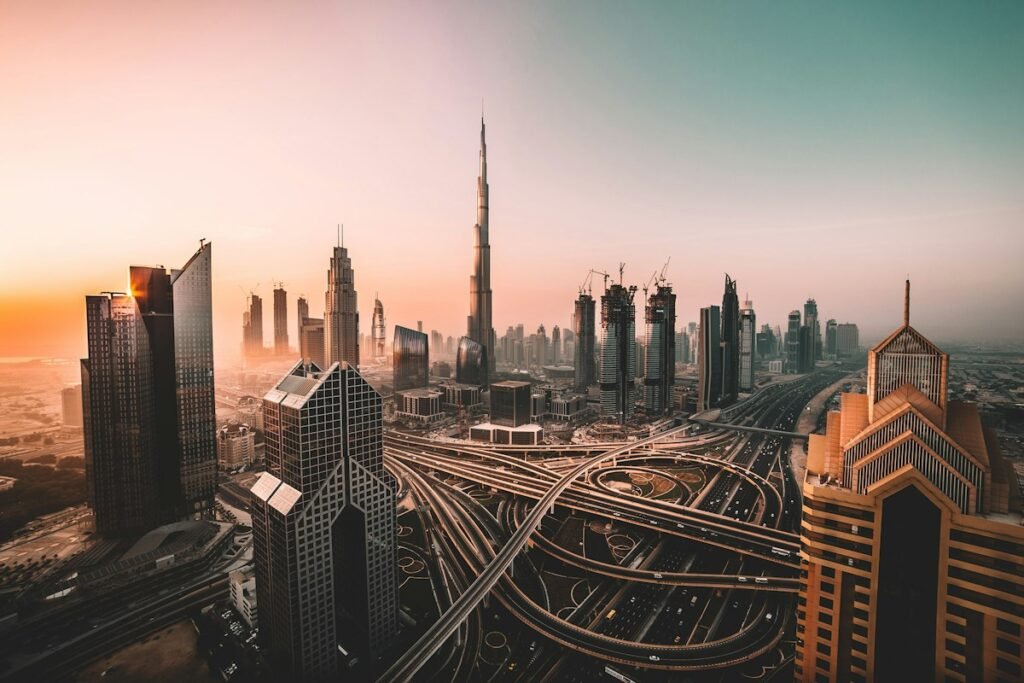
Rising like a gleaming mirage from the Arabian Desert, the United Arab Emirates showcases human imagination at its most ambitious. Dubai effortlessly balances boundary-pushing futuristic wonders with preserved historic spice souks along Dubai Creek.
Top Highlights in the Emirates:
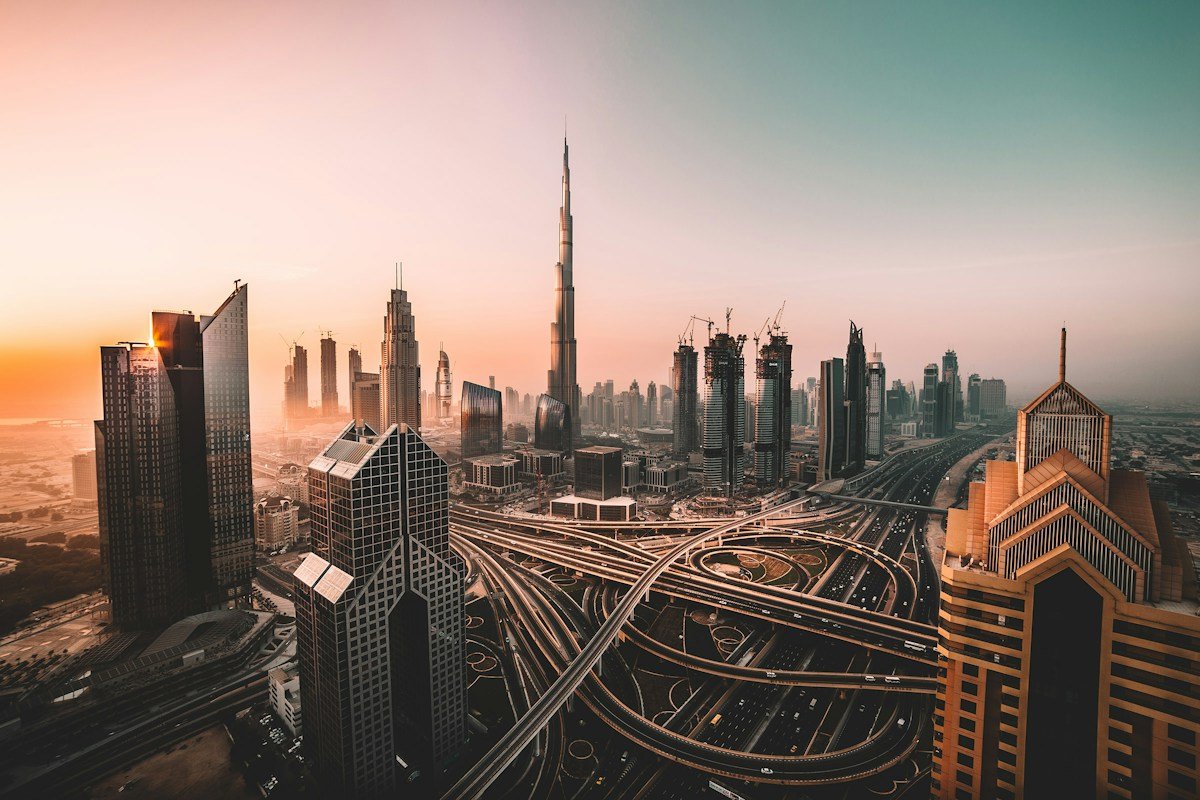
- Burj Khalifa & Downtown Dubai: Stand on the observation deck of the world’s tallest skyscraper (828 meters) looking across the Persian Gulf and desert horizon.
- Al Fahidi Historical District & Souks: Hop aboard a traditional wooden abra boat for just 1 AED across Dubai Creek to explore fragrant Frankincense stalls in the Spice Souk and dazzling jewelry in the Gold Souk.
- Sheikh Zayed Grand Mosque, Abu Dhabi: Just 90 minutes from Dubai, this marble masterpiece accommodates 40,000 worshippers, featuring 82 white domes, 24-carat gold chandeliers, and the world’s largest hand-knotted Persian carpet.
3. Cappadocia & Istanbul, Turkey: The Crossroads of Empires
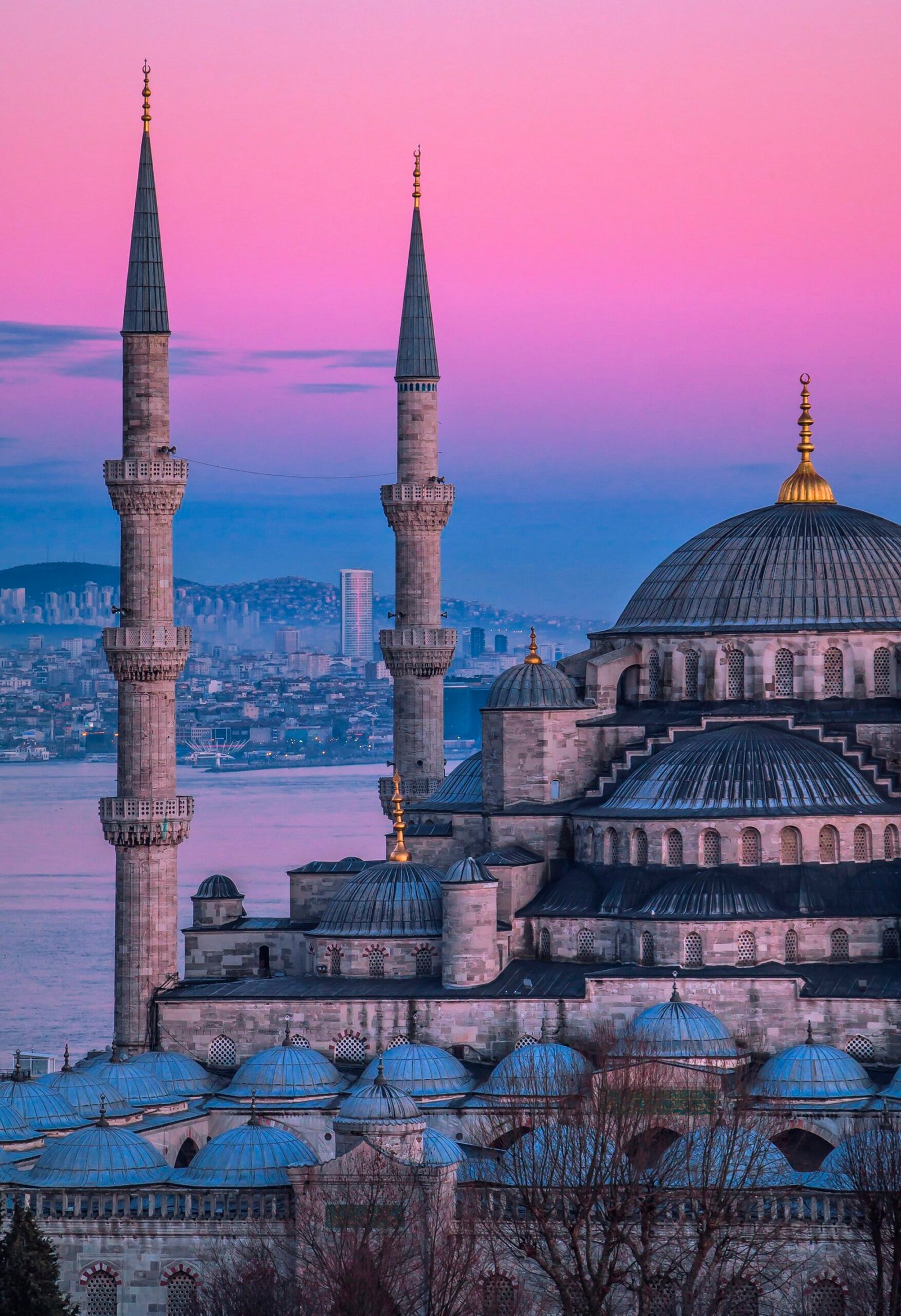
Straddling two continents, Turkey blends Byzantine majesty, Ottoman elegance, and surreal geological wonders. In central Anatolia, the volcanic valley of Cappadocia presents a dreamscape of sculpted tuff pillars, underground cities, and troglodyte cave hotels.
Drifting quietly at dawn in a hot air balloon 1,000 meters above the Rose Valley while hundreds of colorful balloons float across the golden morning mist is genuinely one of the world’s most unforgettable travel memories. Afterward, explore the underground city of Derinkuyu, which once sheltered 20,000 early Christians beneath multiple subterranean levels.
The Middle East Culinary Journey: Flavors & Traditions
Hospitality in the Middle East is an art form rooted in centuries of desert traditions. Gathering around the table (Mezze) is a celebratory ritual filled with aromas of sumac, za’atar, cardamom, and pomegranate molasses. Must-try authentic dishes include:
- Mansaf (Jordan): Tender lamb simmered in dehydrated goat yogurt (Jameed), served over aromatic saffron rice on paper-thin shrak bread, garnished with toasted pine nuts.
- Authentic Mezze Spread: Smoky roasted eggplant Mutabal, velvety Hummus drizzled with cold-pressed olive oil, crispy mint-stuffed Falafel, and zesty Tabbouleh.
- Shawarma & Kebab: Slow-spit-roasted marinated meat wrapped in fresh pita with tangy garlic toum and pickled wild cucumbers.
- Traditional Sweets & Tea: Sweet, warm, cheese-filled Knafeh soaked in orange blossom syrup, accompanied by freshly brewed mint tea or cardamom-scented Arabic coffee (Gahwa) served with Medjool dates.
Practical Logistics, Safety & Cultural Etiquette
Best Months to Visit
The optimal window for travel throughout the Middle East is from October through April. During these months, desert temperatures are comfortably warm (22°C–28°C / 72°F–82°F) and evenings are crisp. Avoid July and August, when scorching daytime temperatures frequently exceed 45°C (113°F).
Dress Codes & Respectful Etiquette
- Modesty in Religious Sites: Both men and women should dress conservatively when visiting mosques and traditional neighborhoods (cover shoulders and knees; women should bring a light scarf to cover their hair).
- Greeting Customs: Hospitality is sacred; accepting a small cup of Arabic coffee or dates is considered polite and gracious.
- Photography: Always ask permission before photographing local people, particularly women and elders in traditional villages.
Estimated Travel Costs (Per Day)
- Jordan (Mid-Range): $110–$160 USD per day (including Petra pass, Bedouin camp, private transport).
- UAE / Dubai (Mid-Range to Luxury): $180–$350+ USD per day (modern hotel, world-class dining, metro & taxi).
- Turkey (Budget to Mid-Range): $65–$120 USD per day (exceptional value for cave suites, incredible regional feasts, and internal flights).
Traveling across the Middle East shatters stereotypes and warms the soul. Prepare to be welcomed with heartfelt smiles, legendary feasts, and memories of desert horizons that will stay with you for a lifetime.
